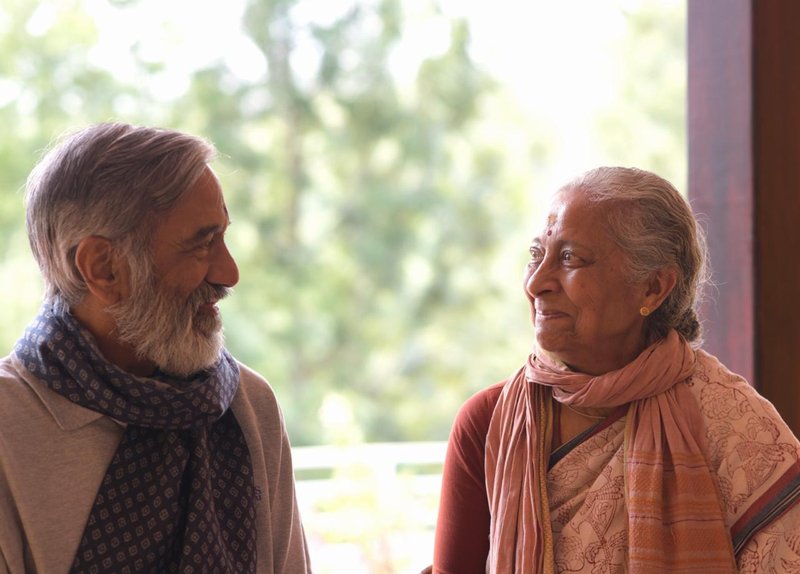
Yogic immersion • Behavioural Scientist • Organisation Development Consultant • Author • Institution Builder
Across more than five decades, Raghu Ananthanarayanan has pursued one continuous enquiry: how can individuals, organisations and societies unfold their intrinsic potential while remaining rooted in dharma? His work spans Yoga and Indian psychology, behavioural science, organisation development, governance, civilisational thought and institution building, yet every strand returns to this question.
Foundations: Engineering, Yoga, Behavioural Science
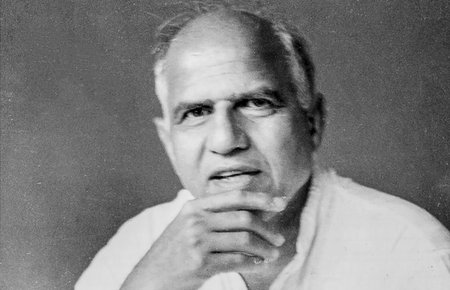
Raghu’s formal training began at the Indian Institute of Technology Madras, where he completed a B.Tech in Mechanical Engineering (1967–1972) and later an M.S. in Biomedical Engineering (1981–1983). IIT exposed him not only to systems thinking and engineering design but to critical debates on development, technology and modernity led by figures such as C. V. Seshadri and the Gandhian historian Dharampal. Their challenge—to study Indian knowledge systems rigorously, not nostalgically—became a lifelong intellectual commitment.
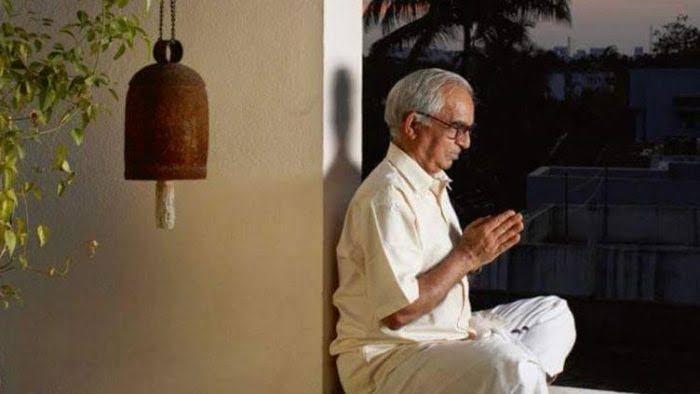
From 1977, Raghu undertook intensive apprenticeship in Yoga with Yogacharya T. Krishnamacharya and T. K. V. Desikachar. This education extended beyond āsana and prānāyāma into systematic study of the Yoga Sūtras, Upaniṣads, Sāṅkhya Kārikā, yogic therapeutics, Sanskrit terminology and contemplative pedagogy, leading him to understand yoga as a disciplined process of inner transformation rather than a set of techniques.
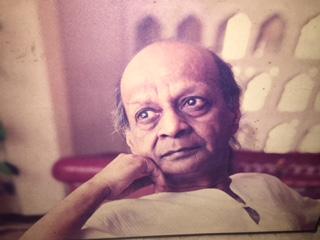
In parallel, under Professor Pulin K. Garg and the Indian Society for Individual and Social Development (ISISD), he entered the world of Applied Behavioural Sciences: human process laboratories, identity groups, experiential learning, organisation development and action research. Dialogues between Garg and Desikachar in the early 1980s helped him see behavioural science and Yoga as complementary lenses on human development and laid the foundations for his later work on Antaraṅga Yoga and Indian Psychology.
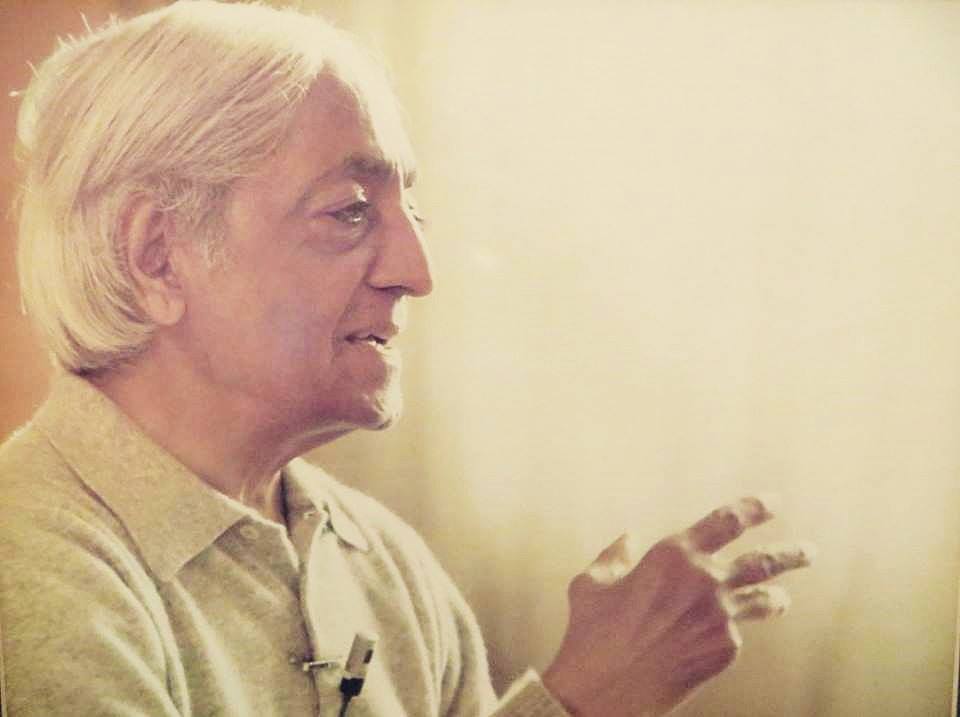
Over time, these streams were enriched by sustained engagement with J. Krishnamurti, and David Bohm’s work on dialogue and wholeness, systems thinking from engineering and cybernetics, Indian aesthetic theory and theatre (Nāṭyaśāstra, Abhinavagupta, Koothu-p-pattarai), Gandhian approaches to decentralised governance, traditional Tamil institutions such as Koodam, and classical Vedānta. Together they formed an integrated foundation: attention to consciousness and conditioning from Yoga, systemic and dialogical inquiry from behavioural science, and a civilisational lens on Indian traditions.
Organisation Development, Leadership and Institution Building
From the early 1980s, Raghu worked as an organisation development consultant across manufacturing, technology, public sector, education, development organisations and government agencies. He approached organisations as living human systems whose effectiveness depends on alignment between individual purpose, role, culture, structure, values, strategy and social purpose, rather than only on structural efficiency.
This orientation crystallised into the Totally Aligned Organisation (TAO Systems) framework, which proposes coherence across personal, role, organisational and business alignment, nesting human processes in ways inspired by Vāstu Śāstra. It became the conceptual foundation of TAO Consulting (founded 1984), a consulting, research and educational laboratory through which methods such as TAO, Tensegrity Mandala, Five Seats of Power, Business Aligner and yogic executive coaching were developed and tested over long-term engagements with organisations like Tata Consultancy Services, the Murugappa Group and others.
In Sumedhas Academy for Human Context (from 1996), Raghu and colleagues created an experimental educational community that brought together human process labs, theatre, story, music, dialogue, yoga, meditation and group process to deepen behavioural education in an Indian cultural frame. Barefoot Academy for Governance (from 2012) extended this work into grassroots governance, reviving Koodam as a contemporary process for large-group dialogue and participatory decision-making in areas like water governance, agriculture, local democracy and conflict resolution.
Ritambhara Ashram (from 2007) became a residential learning community integrating yoga, Indian psychology, behavioural science, research, contemplative practice and theatre. Many of Raghu’s later frameworks—Citta Vidyā, Mahābhārata Immersion, Karṇa Immersion, Nāyikā’s Quest, SaptaSvara, Yoga Sutra Yajña, Dharmāgraha and Manomaya Maṇḍala—were incubated through programmes at Ritambhara.
Subsequent institutions, including the Institute of Indic Wisdom, the Centre for Citta Vidyā and Indian Psychology at the National Institute of Advanced Studies, and the Ashtalakshmi Institute, extend this ecosystem by exploring consciousness, Indic leadership and multi-dimensional organisational flourishing grounded in the eight forms of Lakṣmī. Across these institutions, ideas are developed as living praxis rather than abstract theory.
Mahābhārata, Learning Theatre and Leadership Dharma
Raghu’s leadership work emerged from dissatisfaction with Euro-American models that emphasise competencies but often neglect ethical discernment, contextual ambiguity and the quality of consciousness. Turning to the Mahābhārata, he read it as a sophisticated exploration of leadership under dharma-sankata, rather than a simple moral tale.
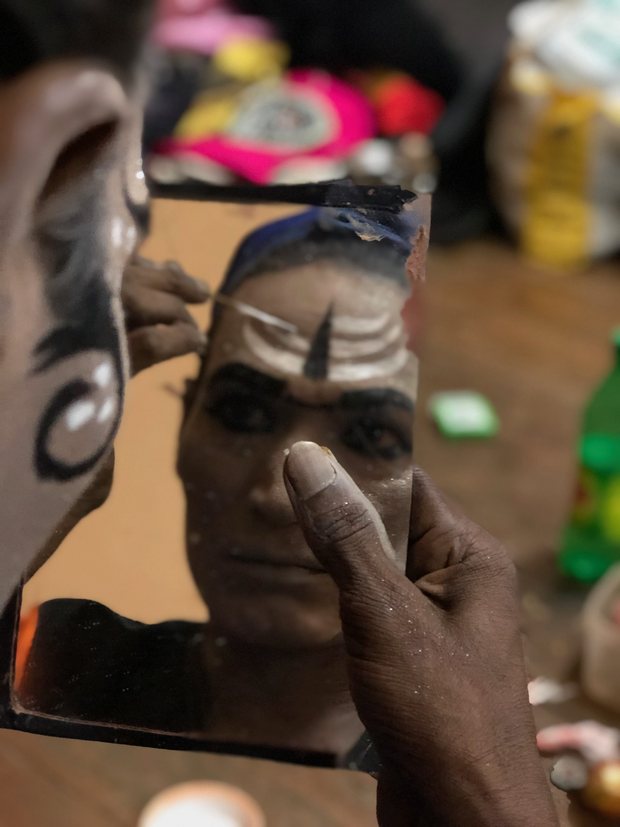
Learning Theatre—developed through collaborations with Indian theatre practitioners—uses dramatic enactment not as mere role-play but as a disciplined inquiry into embodied patterns of perception, emotion and relationship. It became a key pedagogy underpinning Mahābhārata Immersion, Karṇa Immersion and Nāyikā’s Quest, where participants inhabit archetypal situations from the epic and classical aesthetics to explore shadow, trauma, identity and leadership experientially.
The framework of Leadership Dharma interprets leadership as a continual process of viveka—discernment grounded in inner quietude (śānta), meditative discipline and responsibility to the wider whole—rather than as positional authority or a fixed set of traits. It culminated in the book Leadership Dharma: Arjuna, the Timeless Metaphor and in programmes for senior leaders in Indian and multinational organisations.
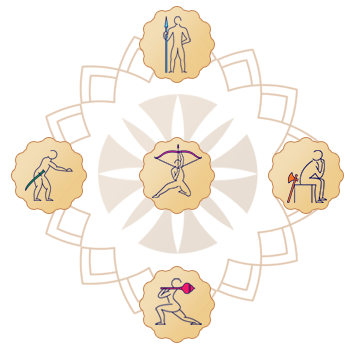
In Five Seats of Power, Raghu reinterprets the five Pāṇḍava brothers as complementary leadership archetypes—order and stability (Yudhiṣṭhira), passion and action (Bhīma), compassion and service (Nakula), knowledge and curiosity (Sahadeva), and integrative discernment in crisis (Arjuna). The framework invites distributed leadership and ecological balance of powers, warning that over-reliance on any one seat distorts organisational life.
These Mahābhārata-based pedagogies have been applied in executive education, therapeutic contexts and contemplative programmes, demonstrating that classical Indian narrative traditions can function as rigorous laboratories for psychological and organisational transformation.
Citta Vidyā and Indian Psychology
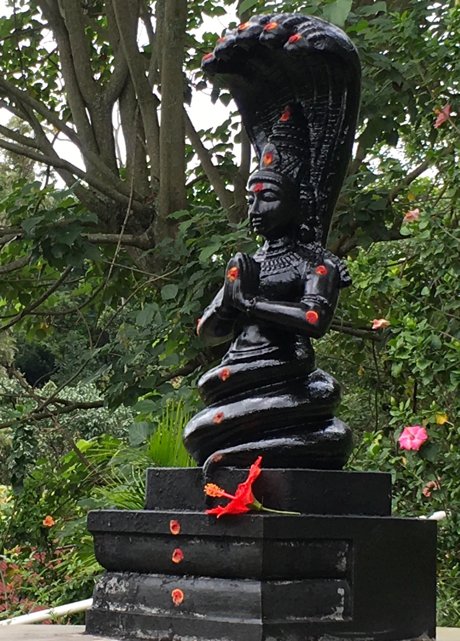
As his consulting and pedagogical work deepened, Raghu found that many questions about identity, suffering, resilience and transformation could not be adequately addressed within mainstream psychological language. This led to the reconstruction of Citta Vidyā—a contemporary discipline of inner enquiry grounded in the Yoga Sūtras and related Indian traditions.
Citta Vidyā begins from the understanding that human experience is shaped by the movements of citta—a dynamic field in which perception, memory, imagination, emotion, conditioning and intentionality continuously interact. It works with categories such as avidyā, kleśa, saṅskāra, vāsanā, dhyāna and viveka, preserving the precision of Sanskrit terms rather than collapsing them into approximate Euro-American constructs.
 Methodologically, Citta Vidyā integrates multiple pramāṇa-s (means of knowing) and Caturdṛṣṭi—four complementary ways of seeing: learning from tradition and teachers, empirical observation and dialogue, reflective introspection, and contemplative insight into subtler dimensions of consciousness. Educational programmes designed under this rubric engage all four modes, combining textual study, group process, artistic expression and disciplined meditative practice.
Through the proposed Centre for Citta Vidyā and Indian Psychology at NIAS and co-authored works such as Antaraṅga Yoga: The Foundation of Indian Psychology, Raghu has helped articulate Indian Psychology as a contemporary discipline with its own ontology, epistemology and methodology, in dialogue with modern psychology, neuroscience and consciousness studies.
Governance, Civilisational Psychology and Dharmāgraha
Field work with Panchayats, civil servants, activists and communities through Barefoot Academy and Ritambhara gradually extended Raghu’s inquiry from organisations to societies. He began to think in terms of civilisational psychology: how shared assumptions, narratives and collective saṅskāras shape institutions, economics and politics.
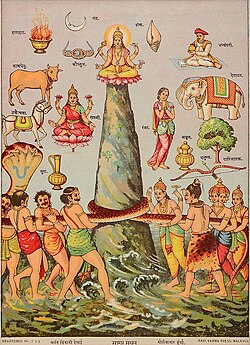
Revisiting concepts like Matsya Nyāya and dharma, he interprets social breakdown not only as institutional failure but as disturbance in the collective field of consciousness—where reactive identities, fear and competition overshadow discernment and mutual flourishing. The revival of Koodam as a contemporary methodology of deep democracy exemplifies his effort to re-anchor governance in relationship, dialogue and shared responsibility rather than adversarial negotiation.
These explorations culminate in Dharmāgraha, envisaged not as a centralised organisation but as a distributed movement of small learning communities oriented to inner transformation and dharmic public action. Dharmāgraha seeks to cultivate individuals and institutions capable of acting from discernment rather than ideological opposition, making decoloniality and civilisational renewal lived processes rather than abstract discourses.
Across this arc—from engineering and Yoga to organisation development, Mahābhārata pedagogy, Citta Vidyā and civilisational inquiry—Raghu’s writing and institution-building have grown organically out of action research. Books such as The Totally Aligned Organisation, Organisation Development and Alignment: The Tensegrity Mandala, Leadership Dharma, Five Seats of Power, Antaraṅga Yoga, SaptaSvara and Dhīra’s Quest crystallise decades of practice into coherent frameworks, while hundreds of graduates, facilitators, coaches and community leaders extend this work in diverse contexts.